 Reviews


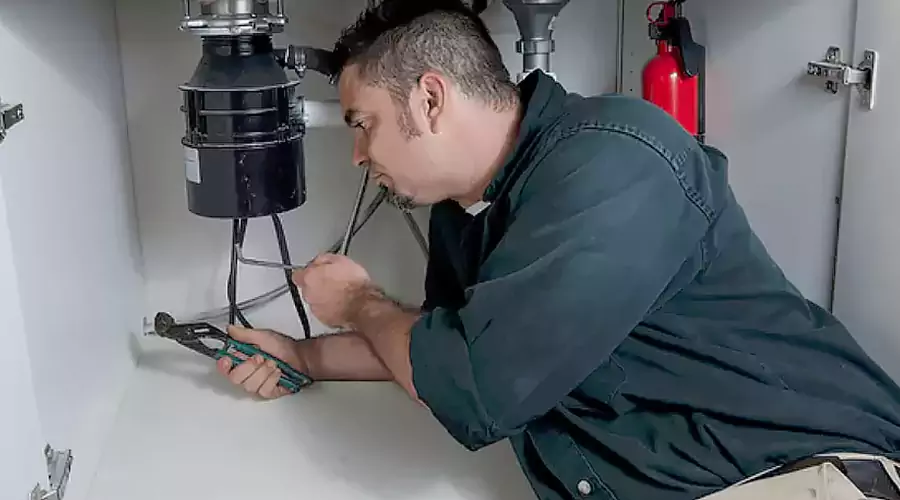
A garbage disposal is a convenient kitchen tool. But it is not a trash can. Many homeowners treat their disposal like it can handle anything. Then they end up with a jammed unit or a broken motor. Replacing a disposal costs 150 to 400 dollars plus installation. A plumber visit to clear a clog costs 100 to 300 dollars. Most of these expenses are avoidable. This guide covers the dos and don'ts of garbage disposal use.
How a Garbage Disposal Works?
A disposal has a spinning disc called an impeller plate. Small metal teeth called impellers are attached to the plate. When you turn on the disposal, the plate spins. The impellers throw food scraps against a stationary grind ring. The grind ring breaks the food into tiny particles. Water flushes those particles through the drain. The disposal does not have blades. It grinds food using force and friction.
The Dos of Garbage Disposal Use
Follow these practices to keep your disposal healthy.
Do Run Cold Water Before, During, and After
Cold water solidifies grease or oil that may be in the disposal. Solidified grease gets ground up and flushed away. Hot water melts grease. Liquid grease coats your pipes and hardens into a blockage.
How to use water correctly:
- Turn on cold water before you put any food into the disposal.
- Let it run for 5 seconds.
- Feed food in while the water runs.
- Continue running cold water for 15 to 30 seconds after grinding stops.
Do Cut Large Items Into Small Pieces
A disposal handles small pieces of food. It struggles with large chunks. A whole apple core or large potato peel can jam the impellers.
What to do:
- Cut large food scraps into smaller pieces before putting them in the disposal.
Do Use the Disposal Regularly
Regular use keeps the disposal parts moving freely. A disposal that sits unused for weeks can develop stuck impellers or a foul smell.
What to do:
- Run your disposal at least every few days.
- Grinding a few ice cubes or citrus peels helps keep it clean.
Do Grind Ice Cubes and Citrus Peels
Ice cubes and citrus peels clean your disposal. Ice knocks off stuck food debris. Citrus peels release natural oils that freshen the drain.
How to clean:
- Drop a handful of ice cubes into the disposal.
- Run cold water and turn on the disposal.
- Follow with lemon or orange peels.
Do Run the Disposal Until Grinding Stops
Do not turn off the disposal while it is still grinding food. Shutting it off early leaves food particles inside that can cause jams.
What to do:
- Wait until the grinding noise becomes a smooth hum.
- Run water for 15 more seconds before turning it off.
The Don'ts of Garbage Disposal Use
Avoid these common mistakes to prevent expensive repairs.
Don't Put Fibrous Foods Down the Disposal
Fibrous foods are the number one cause of disposal jams. Stringy vegetables wrap around the impellers and stop them from spinning.
Foods to avoid:
- Celery stalks and strings
- Corn husks and silk
- Artichokes
- Asparagus
- Banana peels
- Onion skins
Don't Put Hard Materials Down the Disposal
Hard items can dull the impellers or damage the grind ring and motor.
Hard materials to avoid:
- Chicken bones
- Beef bones
- Fruit pits
- Seafood shells
- Coffee grounds
Don't Put Grease, Oil, or Fat Down the Disposal
Grease solidifies as it cools and coats your pipes, creating long-term blockages.
What to do with grease:
- Pour grease into an empty container.
- Let it solidify.
- Throw it in the trash.
Don't Put Pasta, Rice, or Bread Down the Disposal
Starchy foods expand in water and form clogs.
What to do:
- Throw leftover pasta, rice, and bread in the trash.
Don't Use Hot Water While Grinding
Hot water melts grease and allows it to coat pipes and harden later.
What to do:
- Always use cold water when running the disposal.
Don't Use Chemical Drain Cleaners
Chemical cleaners damage internal parts and create dangerous fumes.
What to do instead:
- Use a disposal wrench or Allen wrench to manually turn the impeller.
How to Reset a Jammed Disposal?
Even with good habits, jams can happen.
Steps:
- Turn off and unplug the disposal or switch off the breaker.
- Check inside with a flashlight (never use your hand).
- Remove visible debris with pliers or tongs.
- Use the wrench to turn the bottom manually.
- Press the reset button on the unit.
- Restore power and run cold water.
Signs You Need a New Disposal
Replace your disposal if:
- Water leaks from the bottom
- The motor hums but does not spin
- It fails to grind food properly
- Strange noises continue after resets
- The unit is over 10 years old with frequent issues
Final Thoughts
A garbage disposal is reliable when used correctly. Run cold water before, during, and after use. Cut large items into small pieces. Use it regularly. Clean it with ice and citrus. Avoid fibrous foods, hard items, grease, starches, hot water, and chemical cleaners. These simple habits will keep your disposal running smoothly for years and help you avoid expensive repairs.